You may want to choose different materials depending on the use of your cooker. Are you trying to get your cooker as light, as cheap, or as hot, or as durable as possible? Start by looking around you and see what you have available without buying anything. You might find that you have everything you need already at your fingertips.
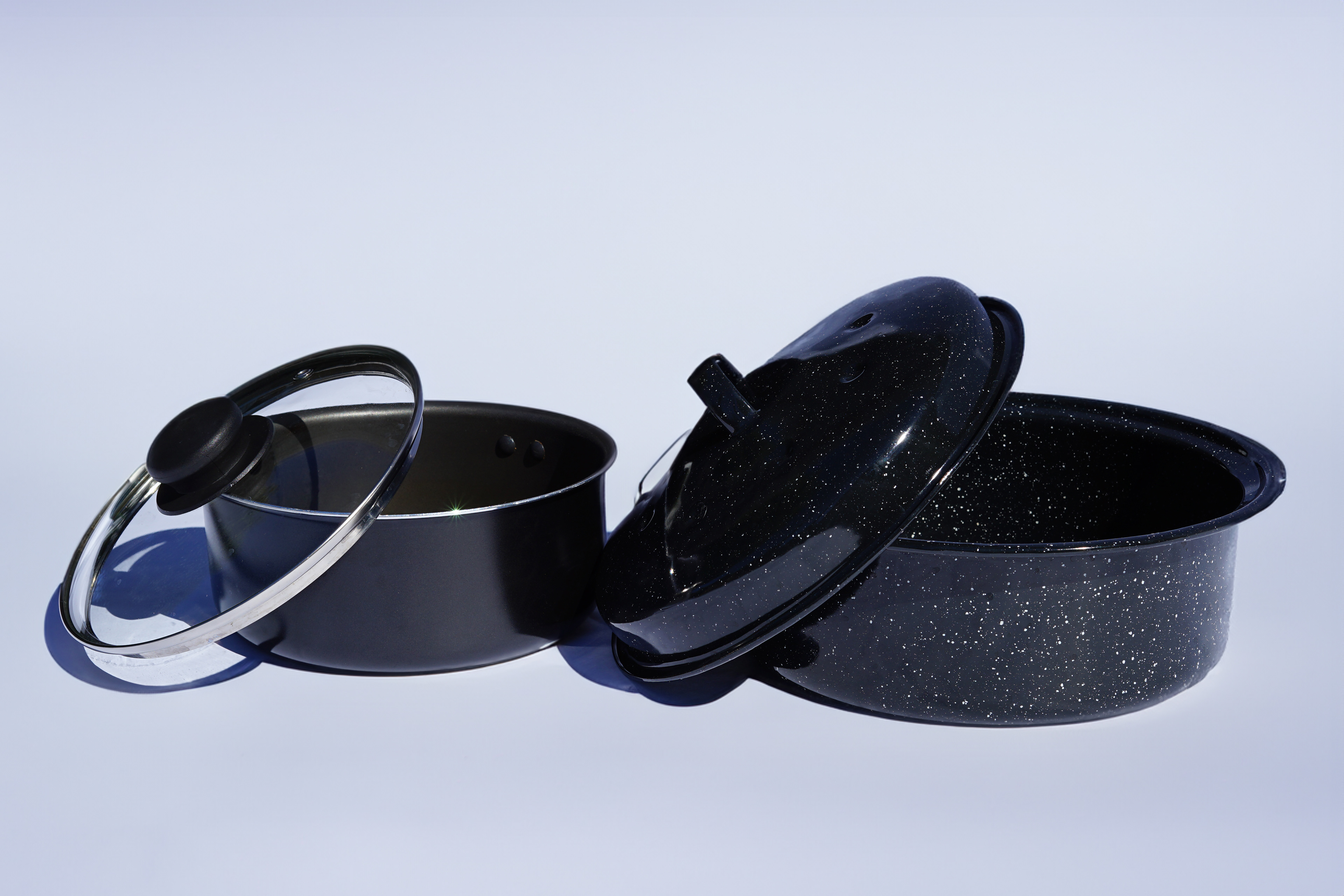
Cooking Containers should be made heat safe materials. A dark, thin metal container works well (graniteware, dark nonstick pots/pans). Cast iron takes a long time to heat, but keeps the heat a long time and can keep cooking if clouds pass by. Glass cookware allows the cook to see the food without having to open the container, but may not conduct heat as well as black metal. Shiny metal pots reflect heat, which is the opposite of what you want to do, so don't use them. A wide, shallow pot is better than a deep, narrow one. Thick, heavy cookware takes a long time to heat up but retains the heat longer.
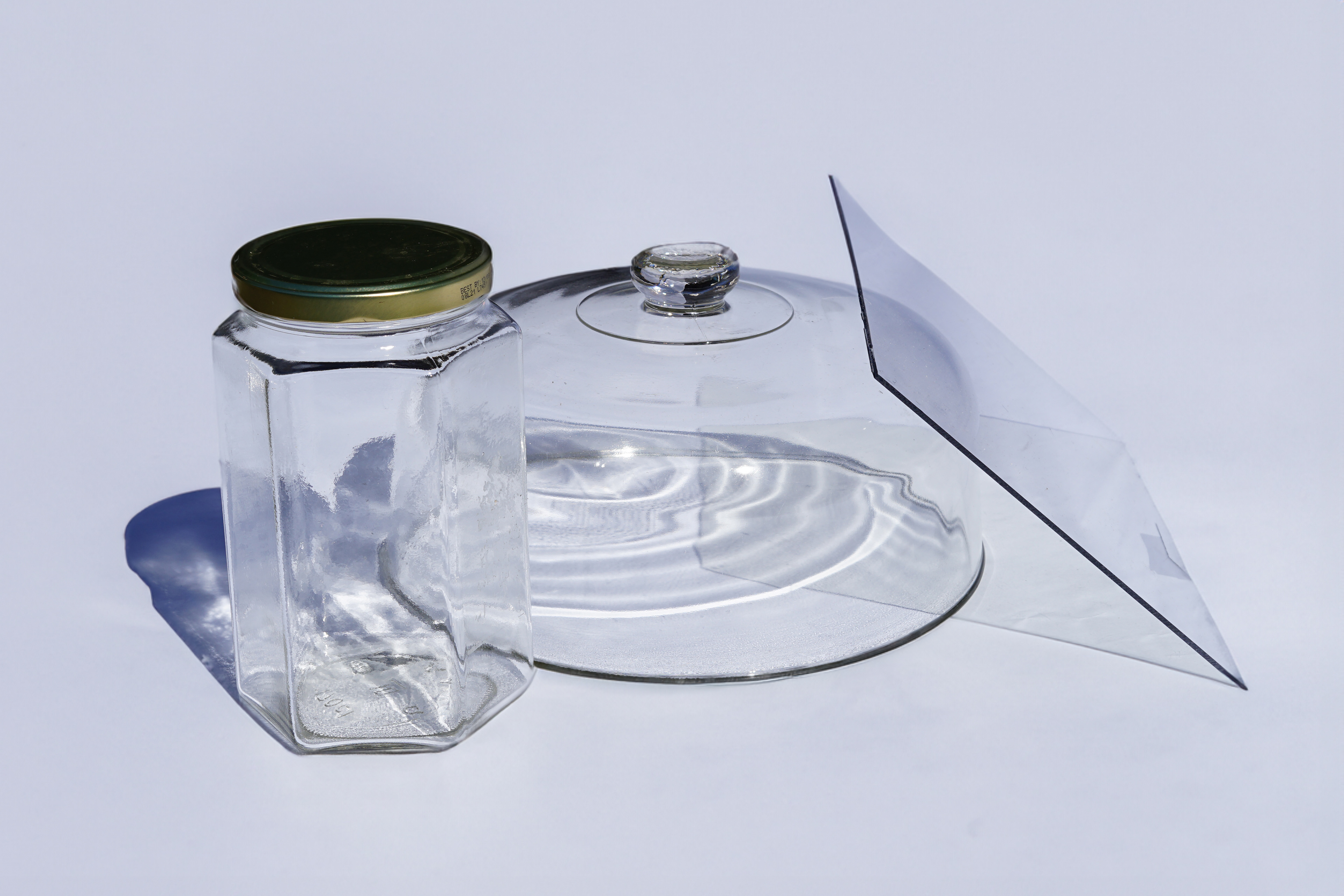
A glaze (or heat trap) is the item that traps the heat in the cooker. (It's like when a car in the sun is hotter than the air outside of it.) Tempered glass, plexiglass, and plastic all work. Glass bowls, glass air fryer bowls, aquariums, old windows, old refrigerator shelves, plastic wrap, glass jars, and baking bags for the oven. When using plastic bags that aren't oven safe, make sure that it you are using a low temperature cooker and that they don't make toxic fumes when heated and keep them from touching the cooking container by using something like wire. Oven bags are light in weight and reusable multiple times if the steam is wiped off and hung to dry after each use. However, oven bags are not a sustainable resource.
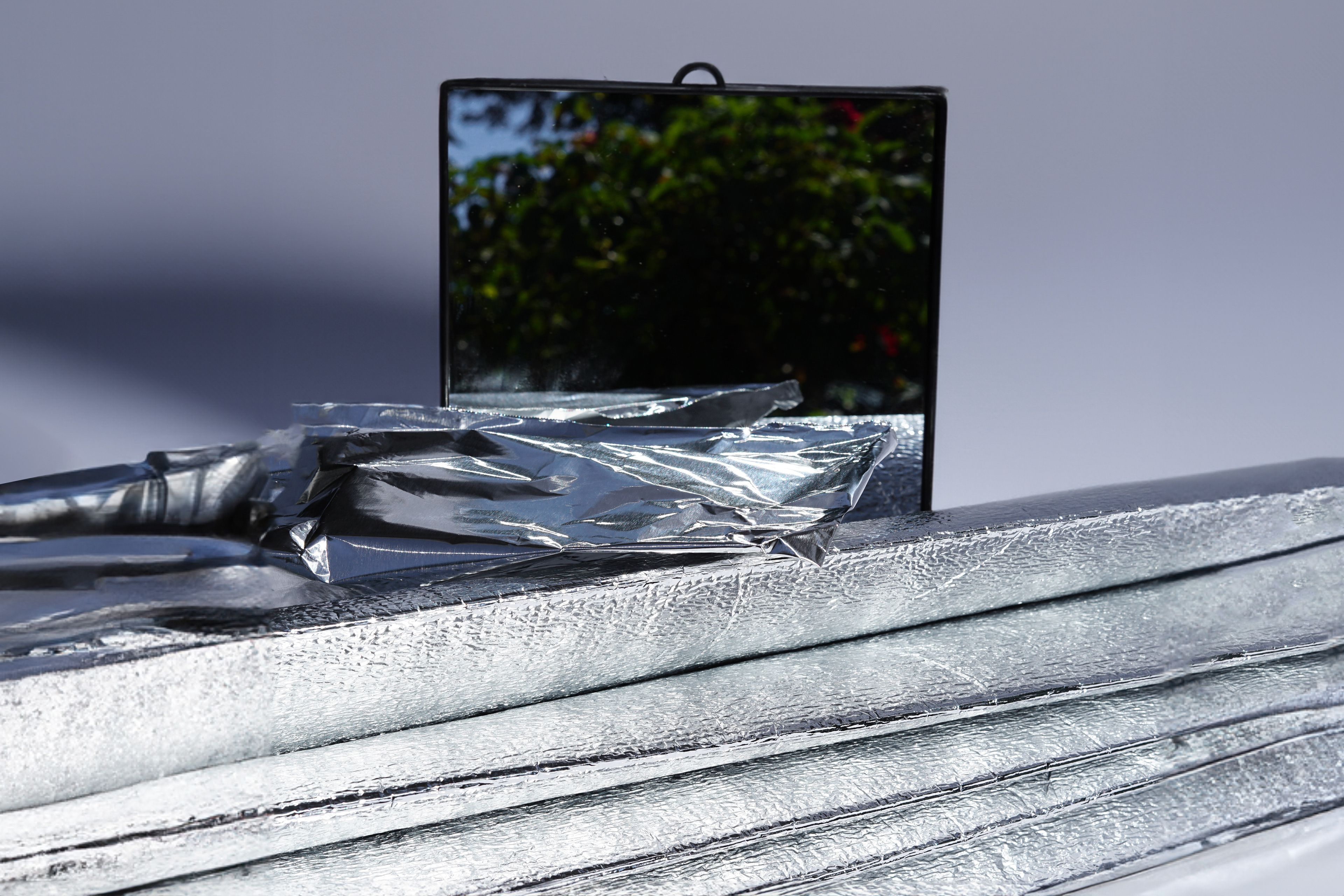
Reflectors help increase the heat in the cooker. Mirrors, foil, mirrored stainless steel, car shades, acrylic mirrors, and mylar all work to redirect sunlight towards the food. Mirrors are very reflective, but they are breakable. Foil is accessible because it can be found in most grocery stores and is not too expensive. However, foil tears easily. Stainless steel is very sturdy but expensive and a little heavy. Car shades are light but a bit floppy, so they will need some support. Acrylic mirrors are lightweight, but not always easy to find. Mylar is highly reflective and can be found in chip bags and rolls for greenhouses. However, mylar is not going to last as long as stainless steel.
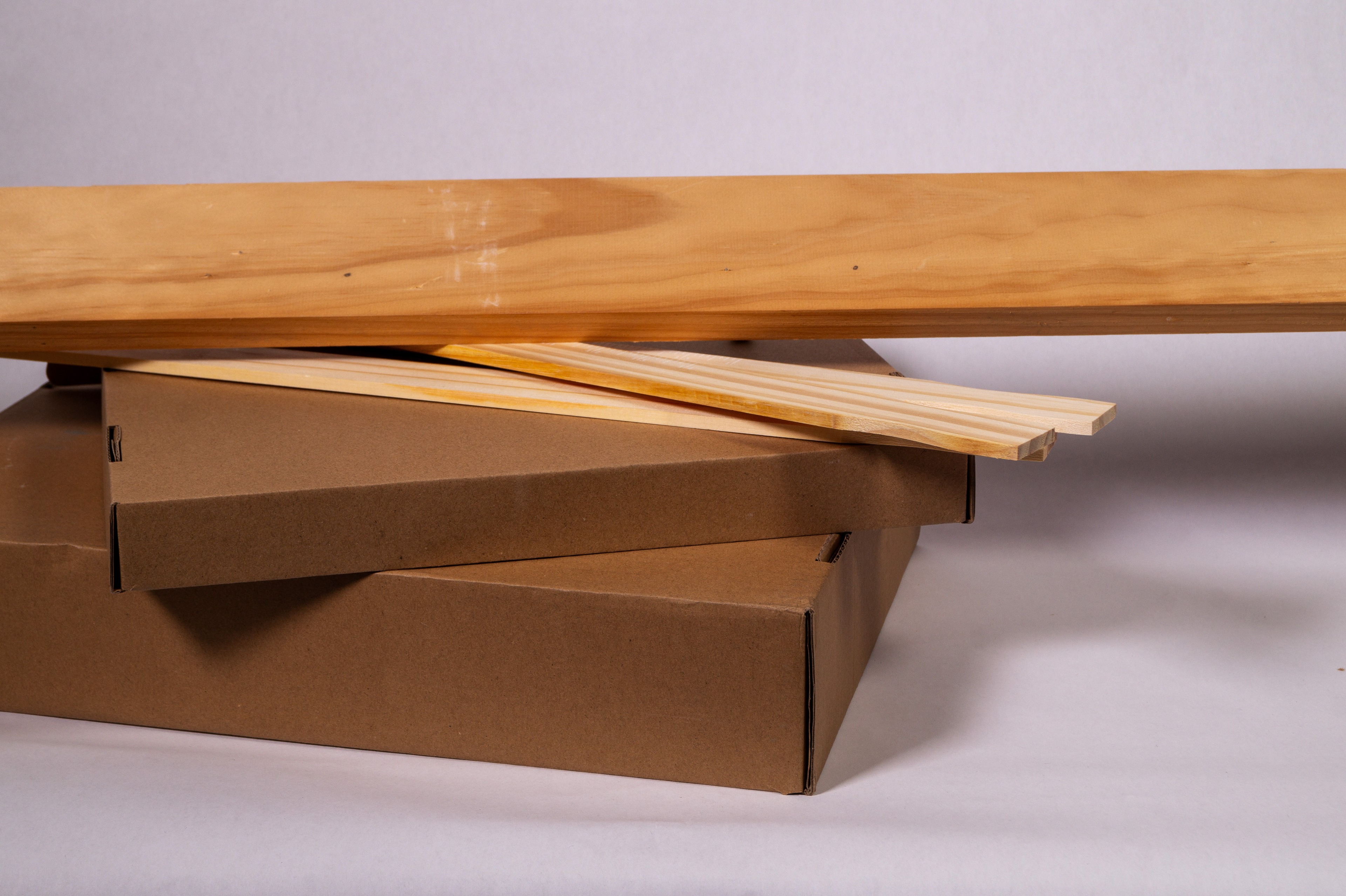
Wood and cardboard can be used in as the walls of the cooker. Even though the solar cooker can get very hot, these materials will handle a fair amount of heat. If you are building cookers from wood, they can start getting heavy, they will last a long time. Cardboard is not very durable for long term use. However, cardboard is great for testing out new cooker designs and can work as insulation. Cardboard can also be used as insulation in box cookers. Fluteboard ("plastic cardboard" from lawn signs) is a durable alternative to cardboard, but the joints can snap when bent. The solution is to cut up the pieces and tape the joins of the solar cooker pattern. Upcycling flute board also keeps it out of the landfills. Posterboard can be used for panel cookers such as the Copenhagen or Cookit.
Adhesives should be able to handle heat and not release any fumes. Nontoxic, white school glue will work for foil and cardboard reflectors. The glue can be thinned with a little water to make it spread easier. Washable glue is not recommended. HVAC tape works well. It's reflective and sticks well. Do not use duct tape on the inside of a cooker. It melts and smells awful when heated to high temperatures. Packaging tape is not recommended. Rubbing scissors with oil on some paper towel will help remove tape adhesive.
Racks or pot stands help the hot air go around the cooking container better. They also help with the heat not leaving the bottom of the cooking container through conduction. Wire racks, canning lid bands, 3 sticks, and 3 rocks all do the job.
Black paint can helpwith the absorption of light in a box cooker or on the outsides of jars or pots. Make sure that the paint is made for high temperatures and is safe for use with food. DO NOT use regular paint! Before cooking the first time, make sure to off gas the paint by cooking it for a minimum of one hour. (Read the manufacturer's instructions.)
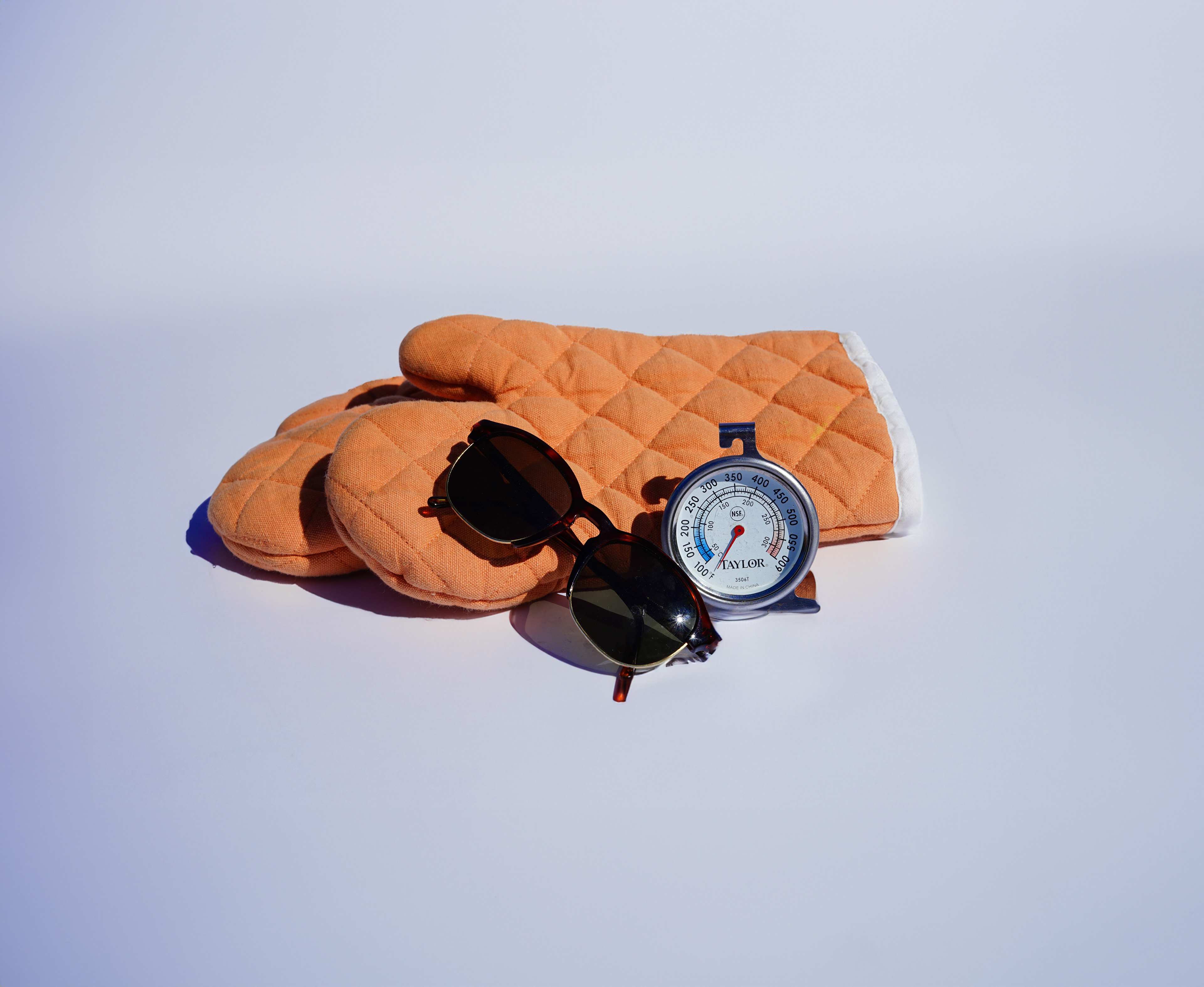
Additional items are handy to keep nearby. A thermometer helps to make sure that the solar cooker gets to a safe cooking temperature. Oven gloves keep fingers from burning on the hot cookware. Sunglasses protect eyes from being blasted with light from the reflectors. Insulation prevents heat loss and keeps the temperature consistent when clouds pass by.